From the rhythmic pulse of the Fontomfrom to the sacred threads of Kente, discover the soul of a nation built on resilience and hospitality.
Ghanaian culture is a powerful expression of identity, history, and unity. It is seen in the way people dress, the food they share, the music they perform, and the traditions they pass on from one generation to another.
Culture in Ghana is not just about the past—it is a living part of everyday life. It shapes values, strengthens communities, and creates a deep sense of belonging among the people. Through traditions, stories, and celebrations, Ghana continues to preserve its heritage while embracing the future.
Traditions in Ghana play an important role in guiding how people live, interact, and celebrate. From naming ceremonies to festivals and community gatherings, these practices reflect respect, unity, and shared values.
Traditional clothing such as kente and other cultural attire are worn not only for beauty but to represent status, history, and pride. These traditions help individuals stay connected to their roots and remind them of who they are.
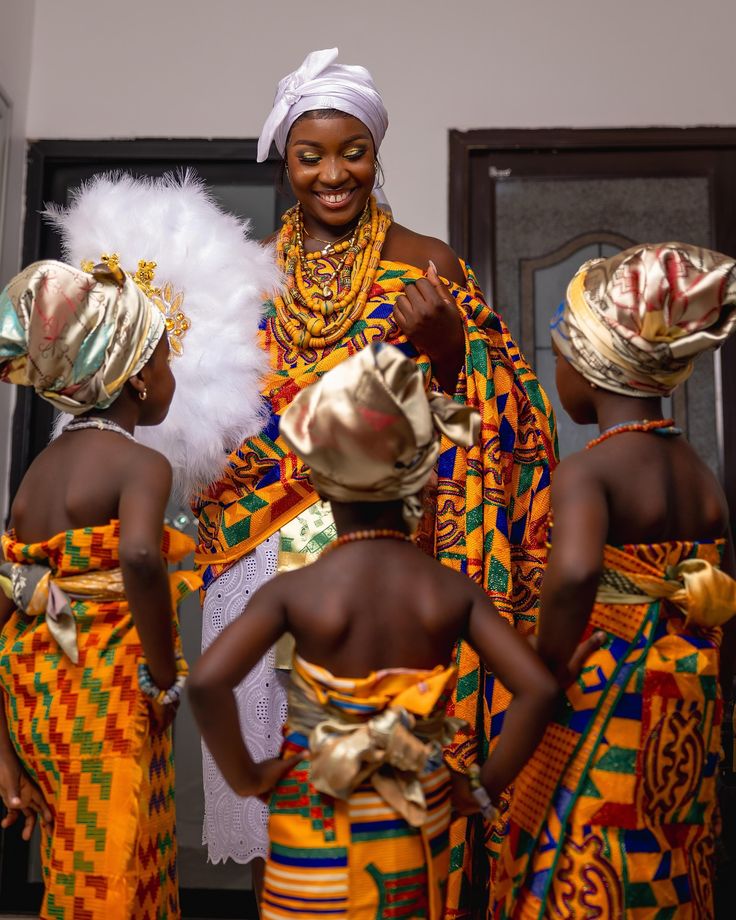
One of the strongest aspects of Ghanaian culture is its ability to bring people together. Festivals, music, and communal activities create opportunities for people to connect, celebrate, and strengthen their relationships.
Despite differences in ethnic groups and languages, culture serves as a unifying force that promotes peace, understanding, and national pride.
Culture is experienced daily in Ghana through food, language, and social interactions. Meals are often shared, showing hospitality and togetherness. Music and dance are used to express emotions and tell stories, making them an important part of daily life.
These everyday practices keep culture alive and ensure that traditions continue to grow and evolve over time.
Join the Conversation